
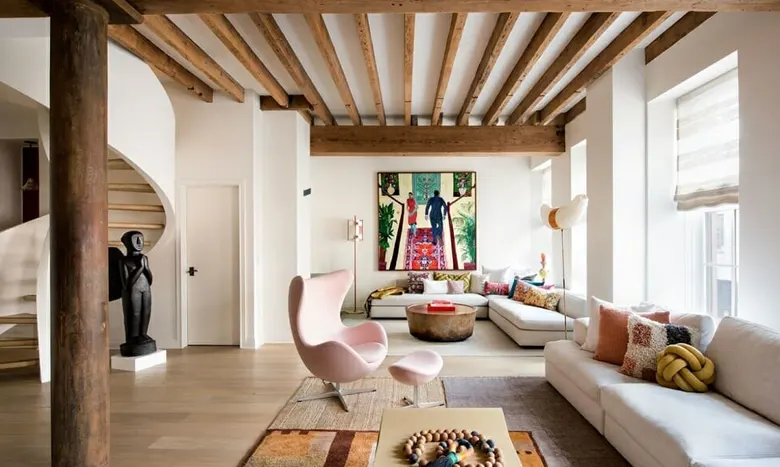
A comfortable home is more than just a beautifully decorated space. It’s a place where the furniture feels right, moving around is easy, the lighting fits your routine, and everything has a practical purpose. That’s why carefully planned residential interiors in Guduvanchery focus on both looks and everyday usefulness. Whether you’re designing a new house, remodelling an apartment, or just updating a few rooms, the right interior choices can make your home feel more welcoming and convenient. From creating a practical layout to bringing in natural elements, small design choices can make a noticeable difference in how you experience your home every day.
Let’s dive into this blog to explore the 7 residential interior design ideas to make your home more comfortable.
“A well-designed home turns everyday moments into comfortable experiences.”
Think about how your family actually uses each room before you pick out furniture or decide on paint colours. For example, a living room might need space for talking, watching TV, kids playing, and maybe for guests sometimes. A bedroom should have enough space to move around comfortably, store things, and relax. Furniture should make it easy to do these things, not get in the way.
Keeping clear paths between the sofa, dining area, kitchen, and other often-used spots will make your home easier to get around in. For instance, putting a big sofa in a small living room just because it looks good can actually take up useful floor space. Or, if you put a dining table too close to a wall, it’ll be hard for people to pull out their chairs. The goal isn’t to fill up every corner. Instead, each item should have a clear purpose and help with how the room is used.
A good layout gives you:
How you light a room can totally change its feel. The same room can feel cozy and relaxing with soft lighting or bright and energetic with stronger lights. You should think about natural light from the start. Big windows, light curtains, and keeping window areas clear can let more daylight in. This makes rooms feel fresher and bigger during the day. For the evenings, use a mix of lights instead of just one light from the ceiling.
Ambient lighting: This gives general light for the whole room and sets the basic mood.
Task lighting: This helps with things like reading, cooking, studying, or working.
Accent lighting: This highlights things like artwork, interesting walls, shelves, or other decorations.
Bedrooms might be nice with softer lights by the bed, while kitchens and work areas usually need brighter lights. Living rooms can use a mix of ceiling lights with floor lamps or wall lights to create different moods for different occasions. The colour of the light matters too. Warm lights can make bedrooms and living rooms feel cosy, while brighter, neutral lights are good for places where you need to see clearly.
Colour is one of the easiest ways to change how a home feels. While bright colours can make a statement, they don’t have to take over the whole place. Neutral colours like cream, beige, off-white, soft grey, and earthy tones can create a calm background. These colours also make it easier to add pops of brighter colour with furniture, art, pillows, curtains, and other accessories. Bedrooms often look good with softer colours because they are mainly for sleeping. Living rooms have more options and can use warmer or deeper colours depending on what the family likes. When picking colours, think about how much natural light you have. A darker room might look better with lighter walls, while a very bright room can handle richer colours. Instead of picking every colour on its own, create a simple palette with a main colour, a secondary colour, and one or two accent colours. This helps different parts of the house feel connected without looking exactly the same.
Not having enough storage can quickly make a home feel messy. When books, clothes, kitchen stuff, toys, papers, and other things don’t have a place, even a well-designed room can lose its appeal. So, storage should be planned with the rest of the interior, not added later. The best solution depends on the size of your home and what you need to store. Smart storage doesn’t mean putting cabinets everywhere. It means knowing what you need to store and finding ways to keep things organised without making the space feel crowded.
Some practical ideas include:
Built-in wardrobes: These are good for using all the wall space you have and keeping clothes and personal items organised.
Storage beds: The space under the bed can be used for out-of-season clothes, bedding, suitcases, or other things you don’t need daily.
Wall-mounted cabinets: These give you extra storage while keeping more floor space free.
Multi-purpose furniture: Things like ottomans, benches, and coffee tables can be used for everyday purposes and also offer hidden storage.
Modular kitchen storage: Well-planned cabinets, drawers, and pull-out units can make cooking and organising kitchen items much easier.
Natural materials and plants can add warmth to a home. You don’t need a full nature theme to do this. A few well-chosen items can be enough. Indoor plants are an easy way to bring in some freshness. Depending on the space and light you have, you can put plants in living rooms, on balconies, in bedrooms, or other suitable spots. Wood is also a very versatile material. A wooden dining table, shelf, cabinet, wall panel, or decorative piece can add warmth to a modern home. Natural fabrics like cotton and linen can also make furniture and window treatments feel more comfortable.
Other options include:
The key is to have balance. Too many different textures or materials can make a space feel visually cluttered. Choose items that go well with your current furniture and colour scheme.
Every room has a different job, so there’s no need for every space to be designed in exactly the same way. A kitchen needs to support cooking, cleaning, and storing things. A bedroom should help you rest and have privacy. A study should be a comfortable place for focused work. A living room should let family members relax and spend time together. This is where your personal lifestyle comes into play. Someone who works from home might need a dedicated workspace with good lighting and storage. A family with kids might need easy-to-reach storage for books and toys. Someone who loves reading might want a quiet corner with a comfy chair and a lamp.
Before you finalise a room, ask yourself:
A child’s room will have different needs than a guest bedroom or a home office.
The furniture and lighting should support those activities.
Storage should be based on what you actually need, not just adding decorative shelves.
Flexible furniture can be useful in rooms that serve many purposes.
Design works much better when it fits your lifestyle instead of just copying a picture from a magazine or social media.
A house starts to feel like a home when it shows who lives there. Personal photos, art, books, souvenirs, collections, and meaningful items can add character to an otherwise plain interior. However, making it personal doesn’t mean showing everything you own. Too many decorations can make surfaces look crowded and make cleaning harder. Instead, pick a few items that have meaning and give them enough space to stand out.
A group of family photos can become a simple photo wall. Travel souvenirs can be displayed on a special shelf. Favourite books can be arranged near a reading chair. You can also show your personality through fabrics and smaller decorative items. Pillows, rugs, curtains, art, and table decorations can be changed more easily than big furniture pieces, letting you update a room without a full remodel.
A room can look beautiful but still be uncomfortable if practical details are overlooked. The height of a dining table, how deep a sofa is, where light switches are, where appliances are placed, and how easy it is to reach cabinets can all affect daily convenience. The choice of materials also matters. Families with young children or pets might prefer surfaces that are easy to clean and maintain. Likewise, busy households might not want finishes that need frequent special care. This is why comfort should be considered from the very beginning of planning. Good design isn’t just about what looks nice in pictures. It should also work when you’re cooking dinner, getting ready for work, relaxing after a long day, or spending time with your family.
“A comfortable home is built through thoughtful choices, not simply expensive additions.”
Making a comfortable home involves more than just following the latest design trends. It means understanding how you live and then shaping each space around those daily needs. A practical furniture layout, good lighting, calming colours, organised storage, natural materials, thoughtful room planning, and personal decoration can all lead to a better living environment. Well-planned residential interiors in Guduvanchery should combine beauty with usefulness so that the home remains easy to use, comfortable, and welcoming. When every design choice has a practical reason behind it, even simple interiors can create a space where you and your family genuinely enjoy spending time.

Looking for Painting Contractors in Guduvanchery? Well, PR Constructions & Developers, one of the best Construction Contractors in Guduvanchery, Chennai. We are one stop solution for Residential Interiors, Residential Painting Contractors, Plumbing Contractors, Electrical Contractors, Renovation Contractors, Compound Wall Contractors, Fencing Contractors in Guduvanchery, Urapakkam, Chennai.
